
Understanding the True Role of a Project Manager
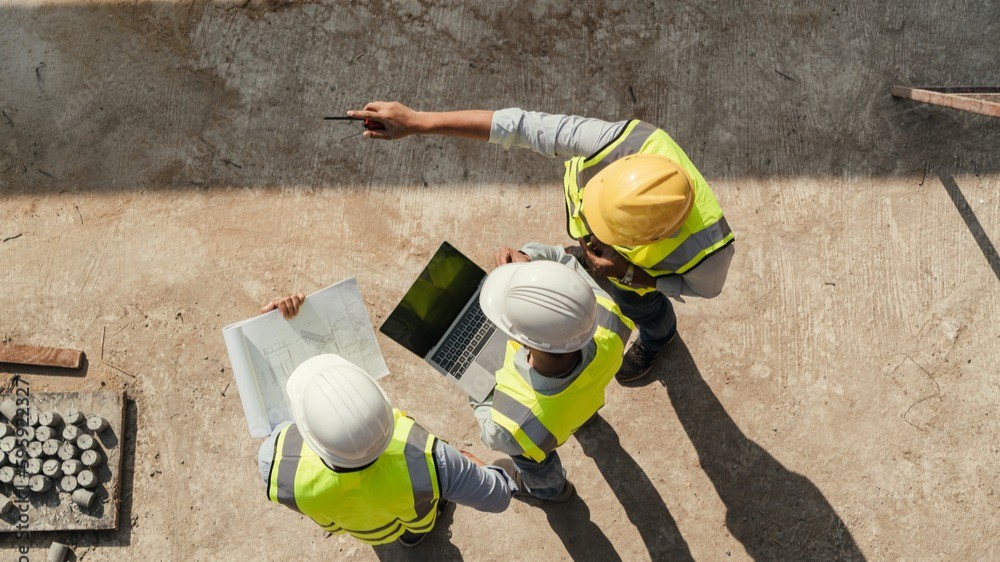
Beyond the Stereotypes: Nick Walton and Rory Foster In Conversation
When people hear “Project Manager,” they often picture someone hovering over spreadsheets and Gant charts, similar to a Quantity Surveyor but “more human.” It’s a polite misunderstanding. The truth is, the PM isn’t there to measure bricks or certify valuations — they’re there to hold the whole ambition together. We are the glue in so many ways. Says Rory Foster.
Clients who are new to the process often confuse the Project Manager with roles like Quantity Surveyor or Contract Administrator. In reality, all three are very different and should be kept separate. More experienced, professional teams understand both the distinction and the value a dedicated PM brings to a project. One of the biggest frustrations is when larger firms assign inexperienced individuals to manage complex residential projects. A common stereotype is the “table-banging” PM . Successful project management is built on collaboration between the client, consultant team, and contractor. Given that projects typically span around 24 months from pre- to post-contract, maintaining strong, cooperative relationships throughout is essential. Says Nick Walton
Another stereotype is that we’re just a post box, adds Rory . Messages in, messages out. It’s an image that persists — and to be fair, it’s sometimes reinforced by larger firms sending out inexperienced people who default to forwarding emails rather than leading conversations. But real project management is directional. It’s about shaping successful outcomes.
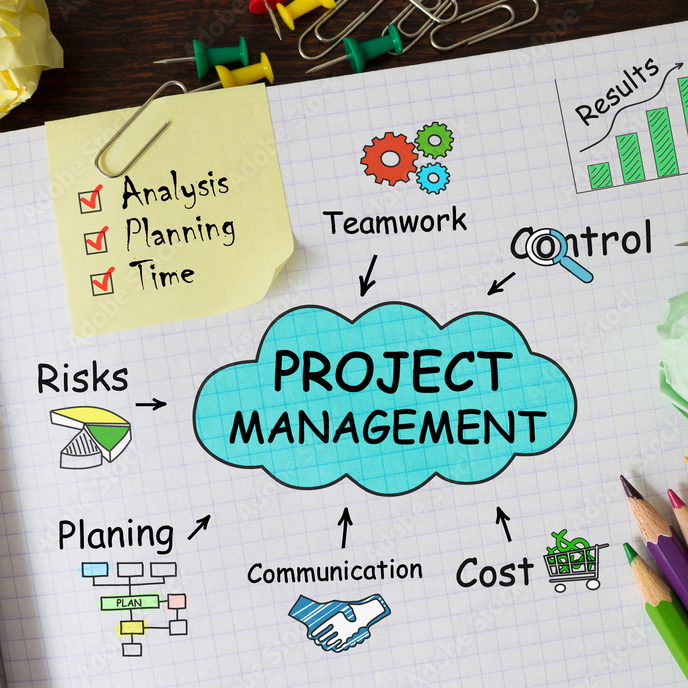
Is the job about control or influence?
Influence, every time says Rory. It’s not a stick-and-carrot regime. It’s about getting everyone on the same page, aligned behind the same ambition, even when their individual pressures pull them elsewhere. The PM sits in the middle, translating, nudging, reframing — keeping the energy positive and the objective clear.
In reality, we often have to engage in the day-to-day problem-solving too. But the issues we deal with are rarely about the nuts and bolts of construction. They’re about process: appointments not properly defined, fees not aligned with scope, blurred responsibilities. These are the quiet fractures that, if ignored, become structural.
A significant part of the role is preventative, adds Nick. Many of the challenges we deal with sit outside the day-to-day build process and relate more to overall project structure and setup — things like appointments, fees, and procurement strategies.
We advise on and help coordinate consultant teams, negotiate fees, and guide clients on matters such as insurance, warranties, VAT, and potential cost savings. We also help navigate planning strategy, landlord permissions, party wall matters, rights of light, and liaison with external stakeholders.
In many ways, we also fill gaps in performance or responsibility across the wider professional team to ensure the project continues to move forward smoothly.
So what makes a great PM?
Balance, says Rory. The ability to move between firmness and encouragement without losing credibility. A sense of humour helps — more than people realise. And above all, keeping dialogue open and constructive. Projects are marathons of communication.
A good PM aligns everyone around a shared goal and fosters a positive, unified approach to delivering the project successfully, says Nick.
Experience is key. Managing major refurbishments — often in listed or conservation areas — requires the ability to recognise when a design is starting to drift or when budgets are coming under pressure.
While we don’t carry design responsibility, we often guide the team toward practical solutions based on past experience. A great PM brings judgement, foresight, and the ability to steer conversations toward achievable outcomes.
Ultimately, it’s about learning from previous projects and applying that knowledge to keep everything on track.
Starting a project feels full of possibility, says Rory. Closing one can be harder. By the end, expectations solidify into something tangible — and unlike product design, there’s no real prototyping in high-end residential builds. Sometimes that moment of reckoning comes later than the client hoped. Managing that emotional transition is delicate.
Over the years, the role has subtly shifted. Technology improves; the human complexity remains. Process has certainly evolved — better reporting tools, collaborative platforms, digital drawings — but the fundamentals of managing people haven’t changed. If anything, there’s been a growing need to step into gaps left between consultants.

What’s the biggest challenge?
There’s no simple hierarchy. Technical issues can be solved with expertise. Priority clashes can be reframed. People problems, though sit in all categories at once and they’re constant.
Sometimes it’s the “small” things that quietly corrode a project. And when two key stakeholders want opposite things? That’s when influence matters most. It’s about reframing the disagreement around shared objectives. Finding the ambition beneath the preference. Not taking sides — but not sitting on the fence either.
There’s also an emotional labour to the job that rarely gets acknowledged. It’s intense. You’re expected to understand every issue in enough detail to contribute meaningfully, even when it’s not your technical discipline. There’s no real switch-off. Even outside the meeting room, you’re connecting dots.
Early warning signs of a project drifting off track?
When the team becomes more interested in paperwork than in delivering their part of the work. When compliance overtakes commitment. Governance is essential — but it should enable delivery, not replace it.
“Good communication” is another phrase that sounds simple but is rarely practised well. In project management, it means being clear, honest, and respectful. Saying it as it is — appropriately, simply, without ambiguity. Not dressing bad news up in hopeful language. Not hiding impact.
Some of the proudest moments go unnoticed, says Rory. Like persuading Shell to take handover of a petrol station by stepping away from an irate client team and speaking calmly, pragmatically, to their representatives. They accepted it. The asset transferred. Revenue began. No applause — just quiet progress.
And then there are the stranger requests. Installing an ice bath inside a steam room. Counterintuitive, technically awkward — but ultimately executed beautifully. Projects are full of these moments: the unusual, the ambitious, the slightly absurd.
In the end, the nature of a Project Manager’s work isn’t about control. It’s holding the shape of a vision steady while dozens of moving parts try to pull it apart. It’s influence without ego, pressure without panic.
And sometimes, it’s making sure there’s tea at the site meeting.