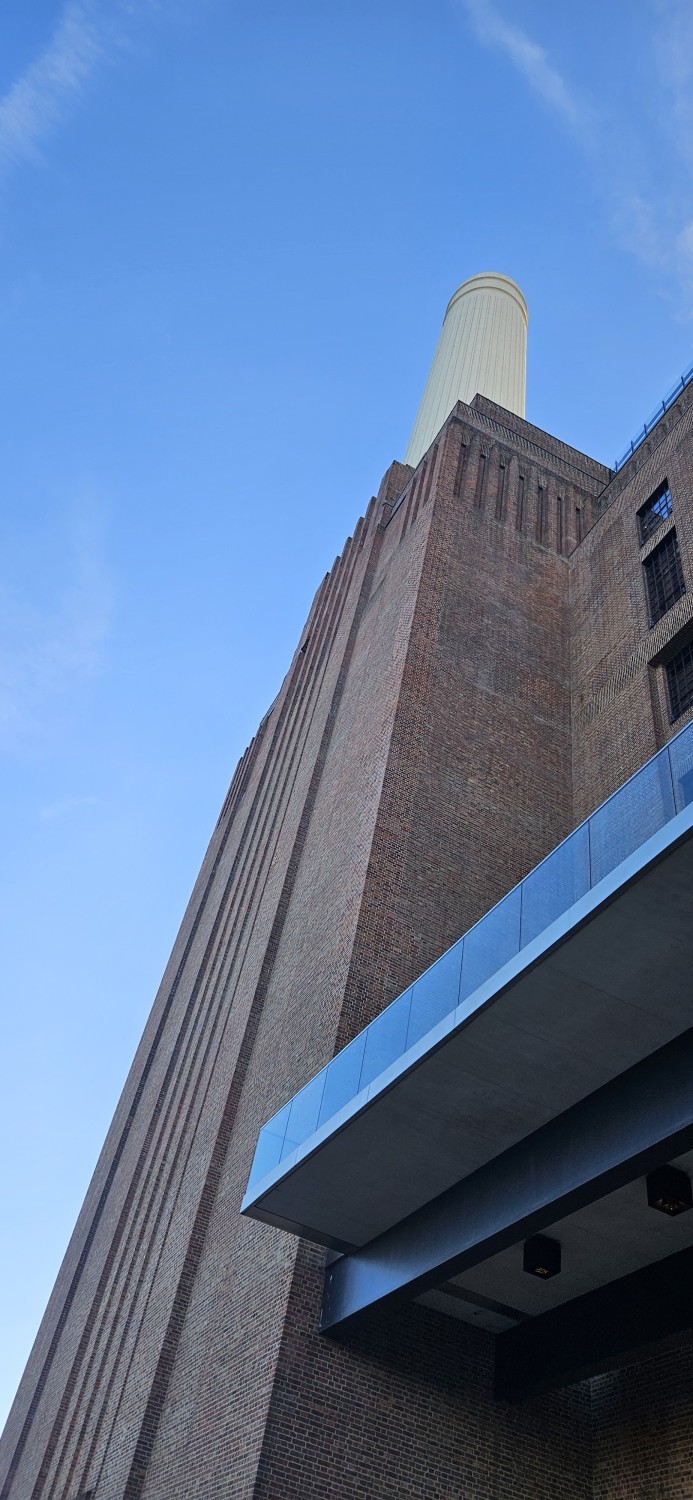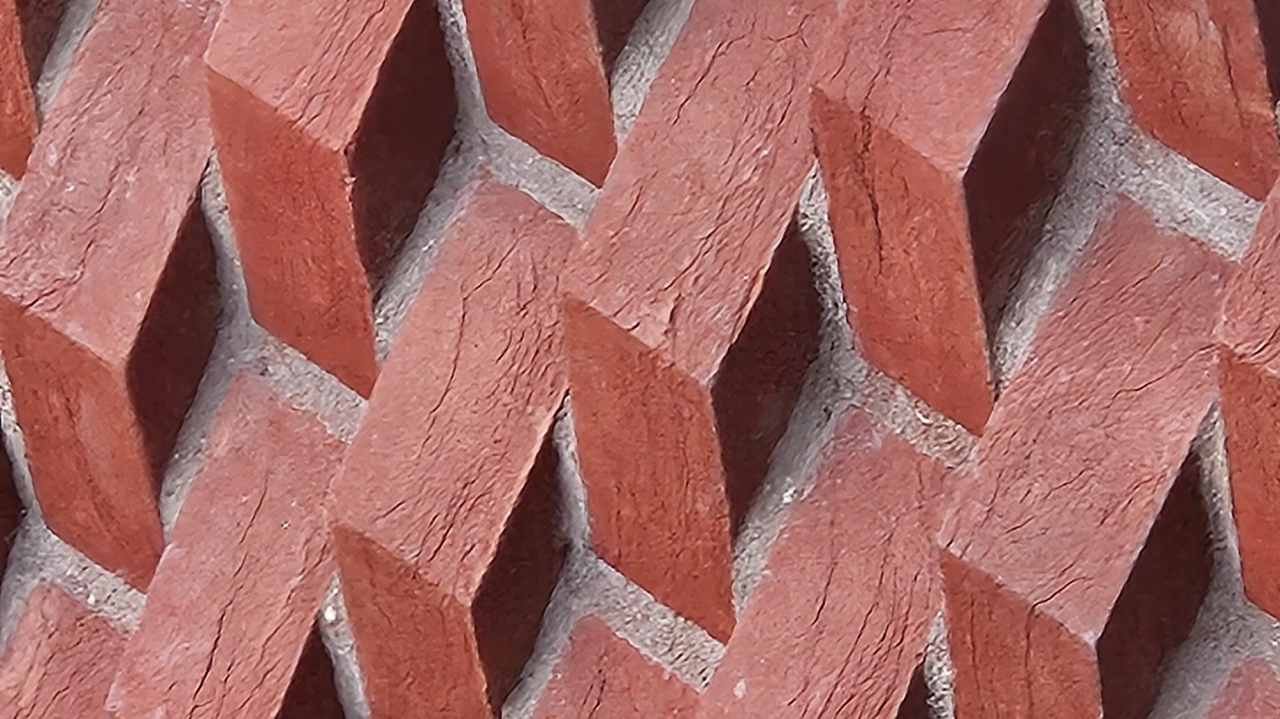
Rory Foster Senior Project Manager at Walton Wagner reflects on how a passing curiosity about bricks grew into a full-blown journey — a tumble down an endless rabbit hole of history, craftsmanship, and cultural shifts.
“Bricks are everywhere — part of the backdrop of our daily lives — yet we rarely stop to look at them. Really look. But once we do, a whole new world opens. We start to notice the subtleties: the patterns, the textures, the craftsmanship.
Who would’ve thought that the standardisation of brick sizes could be traced back to the need to fund the American War of Independence? Out of the British Brick Tax of 1784, a standardized size was born — not for aesthetics or efficiency, but for taxation. Remarkably, this wasn’t the first attempt at standardizing bricks; efforts had been made nearly 200 years earlier. But it was money, not design, that ultimately pushed uniformity into the mainstream.
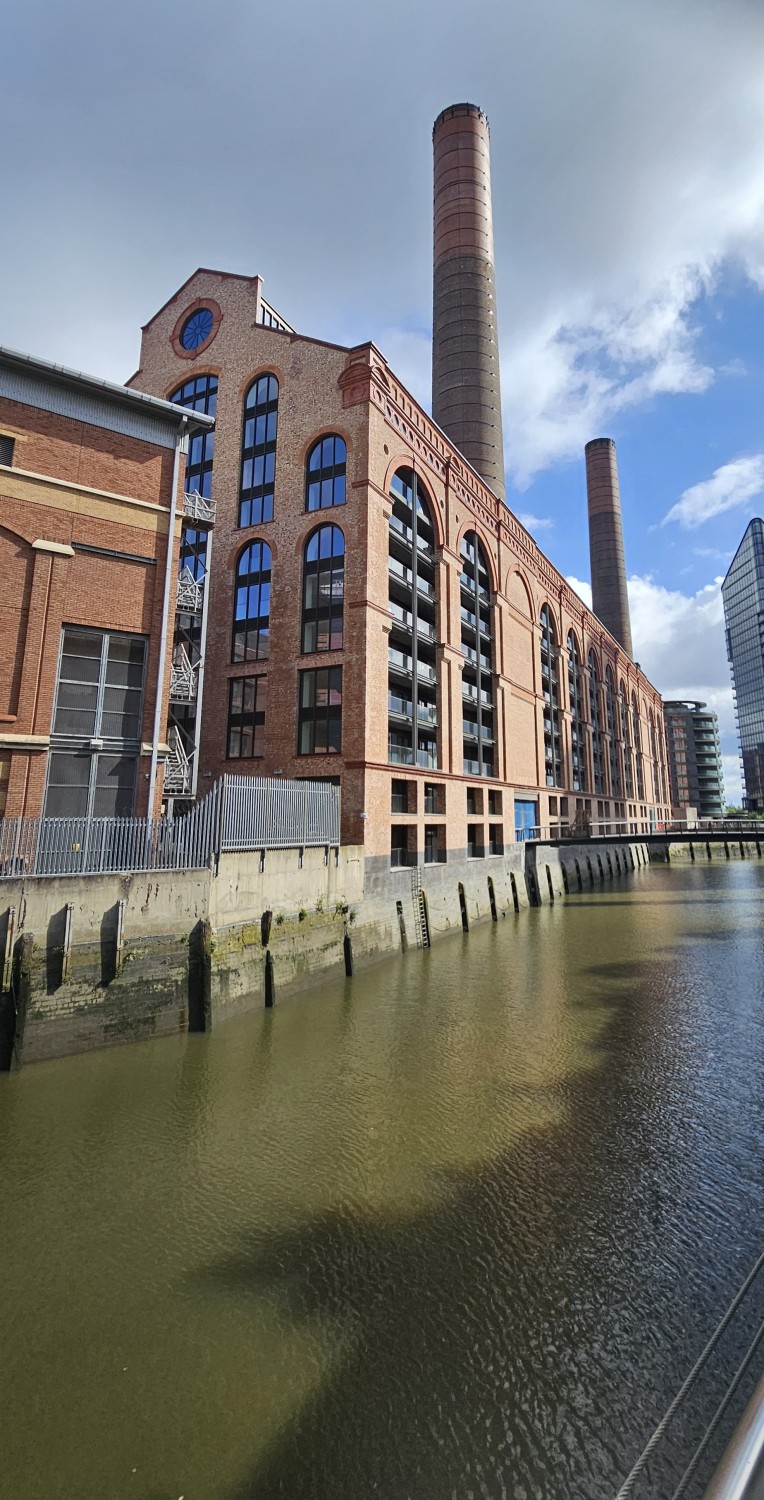
The beauty of bricks isn’t just in their form or function, but in the way they quietly connect us to the lives and legacies that built the world around us. Take a look at the Victorian gauged brickwork, for example. The level of precision and detail in some of these arches and façades is astounding. They weren’t just building walls — they were showing off. It’s the kind of architectural vanity we wouldn’t dream of funding today, not just because materials have changed, but because the appetite (and budget) for such flourishes has all but vanished.
Soon, you start reading walls like stories—recognizing Flemish, English, and stretcher bonds, admiring soldier courses and gauged arches, and grasping the thought behind every brick-and-mortar line. Then you look at a lot of today’s buildings — point blocks with brick cladding. Sometimes it's real, handset brick, but more often it's brick slips — thin slices adhered to the surface. An innovation, yes, but the result often lacks the depth and delight of traditional detailing. The elevations tend to be broad and flat, with minimal relief. If there’s a soldier course at all, it’s usually in the same brick as the rest of the façade — a nod to tradition, but with little of its joy.
And yet, even this contrast is illuminating. It tells us how our priorities have shifted — from ornament to efficiency, from permanence to economy. But once you've seen the brickwork, really seen it, you can't unsee it. And there's something wonderful in that.”